

Artificial intelligence is expected to be one of the biggest drivers of change in the next decade. We’re looking at a world where AI shifts how we work, how we interact, and what opportunities we have-right here in the UK and beyond. Whether you run a business, use online services, or just keep an eye on tech in daily life, these changes will matter to all of us.
This guide covers nearly every angle, from smart homes to business, health to education, right through to the tricky parts like ethics and jobs. By the end, we’ll have a clear sense of what could be coming-and why it’s worth paying attention now, before these changes reshape our routines and industries.
How AI Has Evolved Up to Now
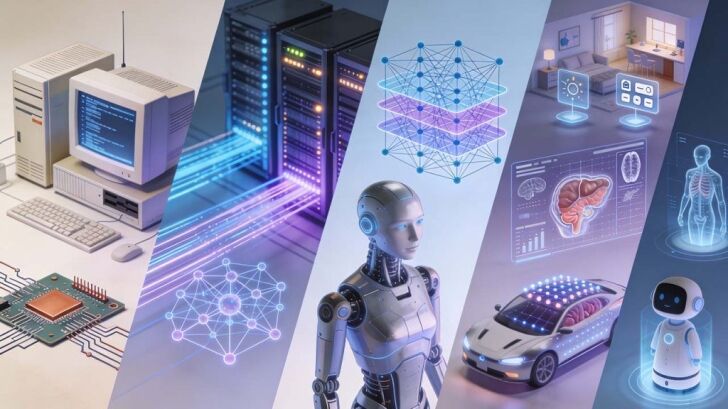
AI got its start as a dream-machines that could “think” like us. In the early days, computers could only solve specific, simple problems. Things moved slowly at first, hampered by limited data and weak computers.
The game-changer came with more powerful chips and the flood of data from the internet. This allowed researchers to build smarter algorithms, giving rise to machine learning-AI systems that “learn” from experience, spotting patterns in huge datasets we simply couldn’t handle ourselves.
Modern breakthroughs, like neural networks and especially transformer models (think chatbots and image generators), have powered a leap in what AI can do. These systems now generate human-like text, spot disease in medical scans, and handle tasks from driving to fraud detection. Open-source projects and bigger R&D budgets have sped things up even more.
Only a decade ago, many jobs we saw as “safe” from automation started shifting. AI went from a niche curiosity to a tool most industries can’t ignore. This dramatic progress sets the scene for even more sweeping changes as we move toward smarter, more general forms of artificial intelligence.
Key Drivers Shaping the Next Decade of AI
- Exploding Data and Connectivity: The sheer amount of data we create each day-through phones, sensors, online purchases, and more-gives AI a never-ending stream of material to learn from. Faster internet and 5G mean AI systems can collect and react to this data in real time.
- Advances in Computing Power: AI development relies on fast, powerful chips. Breakthroughs in specialised AI chips, as well as the promise of quantum computing, are removing limits on how complex these systems can get. Future hardware will leverage different types of quantum algorithms to solve optimisation problems that are currently impossible for classical silicon. This shift will allow AI to process massive datasets with near-instantaneous efficiency.
- Open Research and Collaboration: More companies and universities are sharing code and discoveries. Huge open-source projects let anyone build on the best ideas-speeding up progress for everyone, not just tech giants.
- Business Investment and Global Competition: Governments and companies worldwide are pouring money into AI, aiming to win the race for smarter tech. This competition boosts research, skills, and fast adoption in new sectors.
- Need for Automation: With worker shortages and rising costs, organisations of all sizes are turning to AI for repetitive tasks, smarter decisions, and even creative work. This demand fuels quicker uptake and new solutions.
- Rising Trust in AI for Everyday Use: As personal assistants and self-driving tech get better, people are getting more comfortable with AI in their lives. This trust encourages further adoption and shapes how these tools develop.
AI in Everyday Life by 2034

AI isn’t just for big business or science labs anymore. Over the coming decade, we’ll see smart technology become a fixture in British homes, workplaces, and public spaces, often in ways that blend seamlessly into our routines. From how we control our heating to how we get medical help or plan a trip, AI promises to make life more convenient, tailored, and-at times-unpredictable.
This shift isn’t just about new gadgets. It’s about AI working quietly in the background, making things quicker, safer, and more personalised. Our homes, transport systems, shops, and even the NHS could all feel very different. In the next sections, we’ll break down what these changes might actually look like in real life, making it easier to imagine how they could affect us directly.
Smart Homes and Personal Assistants
- Automated Household Tasks: By 2034, AI systems could manage chores like cleaning, ordering groceries, or even scheduling repairs, freeing up time for everyone in the household.
- Energy Management: Smart assistants will monitor and adjust heating, lighting, and appliances, learning our routines to help cut bills and reduce waste without us having to think about it.
- Home Security: AI-powered cameras and sensors will spot unusual activity, send alerts, and even call emergency services if something’s wrong-all while respecting privacy.
- Conversational Help: Voice and chat assistants won’t just follow scripts. They’ll remember our preferences, chat naturally, and offer reminders or help just like an attentive friend or family member.
Transport, Shopping, and Healthcare Improvements
- Transport:Smart Planning: AI will help plan journeys, suggest quieter routes, and warn about delays, adjusting travel on the fly if something changes.
- Self-Driving Vehicles: Taxis, buses, or even delivery vans could operate autonomously, making travel easier for those who can’t drive and reducing waiting times.
- Accessible Mobility: Features like voice-controlled ride booking and step-by-step navigation will open up public transport to more people, including those with disabilities.
- Shopping:Smart Assistance: Online shops will use AI to chat with us, give instant advice, or recommend products based on our style, budget, and past choices.
- Automated Payments and Fraud Checks: AI will spot dodgy transactions and block fake deals much faster than humans, making online shopping safer for everyone.
- Personal Deals: Instead of endless vouchers, shops can offer discounts and deals automatically to regular customers, based on real spending habits.
- Healthcare:Early Detection: The NHS could use AI to spot problems in scans, blood tests, or symptoms earlier, helping doctors treat us before things get serious.
- Quicker Appointments and Results: AI-powered chatbots may handle simple health queries and triage, cutting waiting times for GPs and clinics.
- Personalised Care: Health plans or medicine suggestions could be adjusted just for us, based on lifestyle, history, and new science-tracked and refined by AI over time.
AI for Small UK Businesses
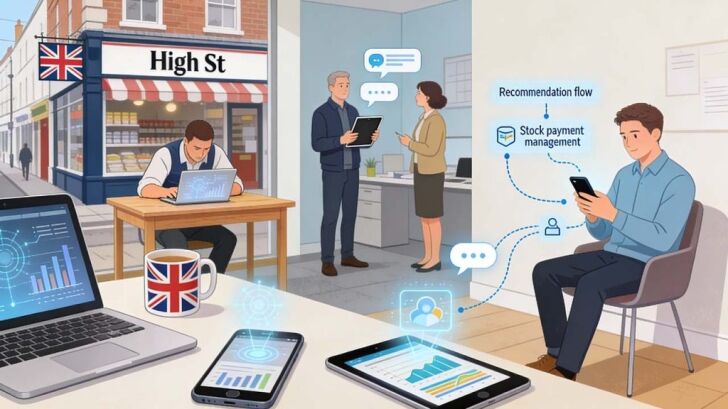
Artificial intelligence isn’t just for tech giants-it’s set to shake things up for every small business, local shop, and start-up in the UK. Over the next decade, the gap between what big corporations do and what smaller players can afford will shrink, thanks to easy-to-use AI tools and services.
In this section, we’ll sketch out the big picture for how AI might support everything from marketing to online sales to sorting customer queries. We’ll soon dive into practical, hands-on examples, showing how AI could help businesses reach new customers, waste less time on admin, and level the playing field with competitors of any size.
Smarter Marketing and Customer Insights
- Data-Driven Decisions: AI tools can sift through sales figures, website visits, and social media buzz to spot buying trends, letting businesses focus their marketing where it works best.
- Personalised Campaigns: By grouping customers by interests or habits, AI can help tailor adverts and emails, sending messages more likely to get a response instead of generic mailshots.
- Website Testing: AI will automatically test which website layouts or product photos work best, helping shops spend money only on ideas that drive results.
AI-Powered Customer Support and Chatbots
AI chatbots are getting much better at understanding the intent behind questions and responding in ways that feel natural. Rather than giving just set answers, new chatbots use advanced language models that “think” about the context, picking up on the details that matter most to customers.
These digital assistants can handle problems around the clock, answering common queries or guiding people through simple steps like booking, returns, or updates. If something is too complex for the bot, these systems can pass the customer to a human staff member with all the key details, speeding up solutions and reducing frustration.
For small businesses, this means less time spent sorting emails or phone calls and happier customers who get the help they need faster. Chatbots also remember past conversations, making each future chat more personal and avoiding repeated questions.
Altogether, improved AI support could turn what was once a headache into a smooth, friendly experience-without breaking the budget or needing a big tech team. Both the business and its customers stand to benefit.
Ecommerce and AI-Driven Solutions
Online shops can use AI to keep the right amount of stock, suggest products that shoppers will actually want, and spot if something fishy is happening in payments.
Smart systems mean fewer errors in orders and fewer lost sales due to running out of popular items. AI can also flag up unusual activity and protect against online fraud, adding an extra layer of trust for customers. These changes help level the field, so even a small business can run smoothly and grow without big overheads.
Artificial Intelligence and Websites
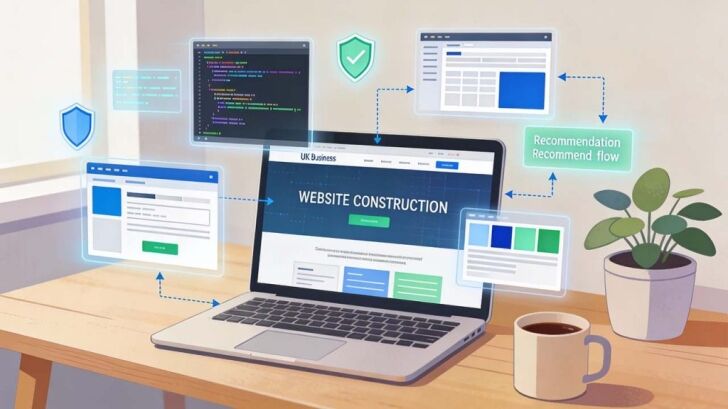
The way we build and use websites is about to change drastically, thanks to artificial intelligence. In the near future, even businesses with little tech expertise will find it simple to design great-looking, reliable, and secure sites-often in a fraction of the time it takes today.
This section lines up the main themes: how AI will speed up the technical side of website building, improve the way content and recommendations are shown to visitors, and keep websites safer from attacks. In the next parts, we’ll focus on how these changes could be put into practice, helping businesses impress customers and protect valuable data.
Faster Website Development with AI
AI tools are already speeding up website development in the UK. Coding assistants suggest and write blocks of code based on a few prompts, making site building much less technical. Less trial and error means web projects take days or weeks instead of months.
Layout generators use AI to select and arrange the best images, fonts, and menus, often creating designs that suit the business’s branding automatically. This helps smaller companies that might not afford a professional designer still get a slick website.
AI can run security checks and test user experience, spotting broken links or confusing navigation before a site goes live. These checks reduce bugs and downtime after launch. The entire process becomes cheaper, less stressful, and more reliable, giving UK businesses better results with smaller teams and budgets.
Personalised User Experiences and Content Creation
- Dynamic Content: Websites can swap out images, headlines, or offers based on a visitor’s location, history, or preferences, creating a unique experience each time.
- Smart Recommendations: AI algorithms suggest products, articles, or helpful links in real time, keeping people browsing longer and helping them find what they need quicker.
- Automated Writing and Media: Blog posts, descriptions, or even videos could be generated by AI, making it easy to keep the site fresh even with a small team.
- A/B Testing Made Simple: AI tools can run experiments to see which features or content work best, letting businesses focus only on what gives real results.
Stronger Website Security with AI Tools
AI-powered security tools watch for strange logins, unusual patterns, and suspicious activity much quicker than older technologies. These tools can block attacks, warn site owners about risks, and adapt as new threats appear. Businesses get extra peace of mind, as customer data is better guarded and trust is maintained, even as online threats keep evolving.
AI and Jobs: Changes in the UK Workforce
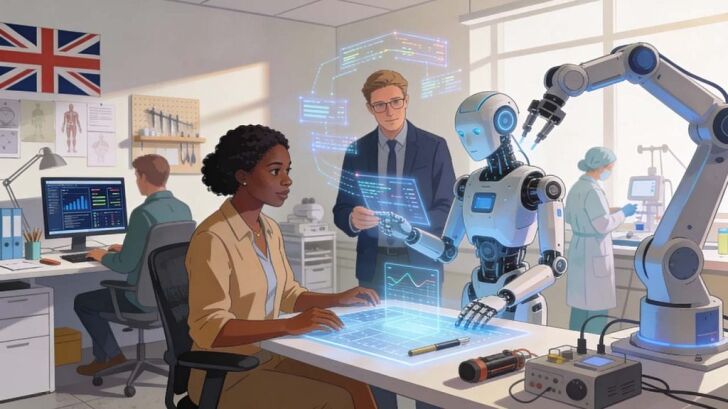
The impact of AI on jobs across Britain is speeding up, and the next decade could bring some of the biggest shifts yet. Some roles will vanish as software takes over repetitive tasks, but new jobs will emerge around tech, data, and creative problem solving.
We’ll break down where new work might appear and what skills will be seen as gold dust by employers. At the same time, classic jobs such as admin, customer service, or manual roles could change shape, with workers focusing more on creative thinking and less on pure routine. By understanding what’s ahead, we stand a better chance of adapting and finding opportunities, rather than getting caught out by change.
Jobs Created by AI and Automation
- AI Trainers: People who teach AI systems by testing them and correcting mistakes, ensuring they work as intended.
- AI Explainers: Experts who interpret AI results for those without tech backgrounds, bridging the gap between machines and people.
- Data Analysts: Individuals who understand what data means and how it can help businesses make smarter choices.
- Cybersecurity Specialists: Professionals tasked with keeping data and systems safe as digital threats become more complex.
- AI Ethics Consultants: Advisors ensuring that new technologies are used fairly and don’t discriminate or cause harm.
Skills Needed for the Future Workforce
- Problem Solving: The ability to tackle tricky challenges, figure out where things could go wrong, and come up with solutions that machines can’t.
- Technical Literacy: Comfort with digital tools and knowing how to work with, not just around, AI systems. This doesn’t just mean coding, it’s about making the most out of apps, data, and new tech as it arrives.
- Critical Thinking: Being able to judge what information you can trust and to question results, especially those from AI tools.
- Communication Skills: Explaining ideas clearly to others, including translating tech talk into plain English and collaborating with both people and bots.
- Emotional Intelligence: Understanding people’s needs and responding with empathy, especially where robots and chatbots fall short. These skills let workers stand out, even as machines do more of the grunt work.
How Tasks and Job Roles Might Change
As AI handles more routine admin, data entry, or information sorting, human workers will spend less time on repetitive steps. Jobs may shift to focus on tasks that require judgment, creativity, or personal touch-areas where machines still struggle.
For many, roles will blend technical knowhow with classic people skills. We might see fewer traditional office jobs, but fresh demand for folks who can oversee, guide, and improve AI tools as part of their daily routine.
Ethics and Trust in Artificial Intelligence

With all these advances, the risks and ethical worries about artificial intelligence are front and centre. We need clear rules to make sure AI is used fairly, does not invade our privacy, and isn’t misused to spread deepfakes or biased decisions. Ensuring fairness means taking out hidden biases in training data and keeping algorithms transparent.
Regulations will likely tighten around data privacy, so personal information is protected and systems do not exploit public data without consent. Honest use of AI will be a marker of trustworthy companies. Keeping AI safe also means building in checks against potential harm, like preventing automated weapons or stopping runaway misinformation on social media.
Public trust is crucial if AI is to realise its benefits. As systems grow smarter, we’ll need strong oversight, open communication about AI’s limits, and watchdogs to make sure things aren’t just left in the hands of tech giants alone. The more open and ethical the approach, the better we’ll manage these new tools together.
What the Next 10 Years of AI Mean for the UK
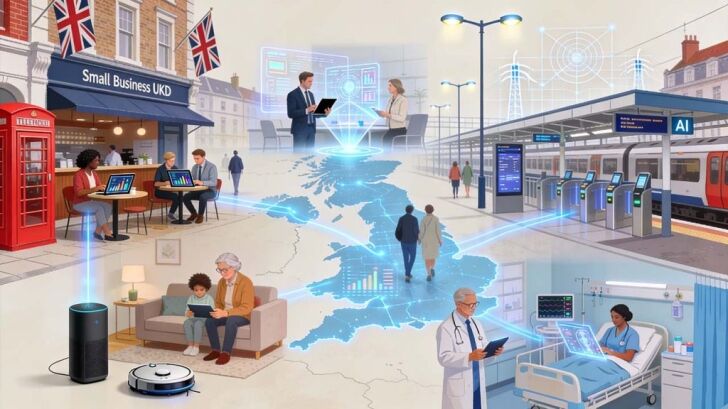
AI is set to have a broad impact on how we live and work in the UK, touching everything from business efficiency to the choices we make at home. It promises time savings, smarter solutions to old problems, and even entirely new industries. Both big firms and small businesses will find fresh ways to compete, serve customers, and use resources more wisely.
At the same time, these advances bring questions about fairness, job security, and who really gets a say in what technology does. People who adapt and keep learning are likely to benefit most, while some traditional roles may shrink. The challenge is making sure that everyone-across regions and backgrounds-can share in the gains, not just a lucky few.
With wise planning and robust laws in place, the UK can lead in responsible AI, boosting business and improving life. But the job isn’t just about attracting investment. We’ll need open debate, solid skills training, and a close eye on safety and ethics. Used carefully, Artificial intelligence could help the UK grow stronger, fairer, and more connected-without letting risks run out of control.