
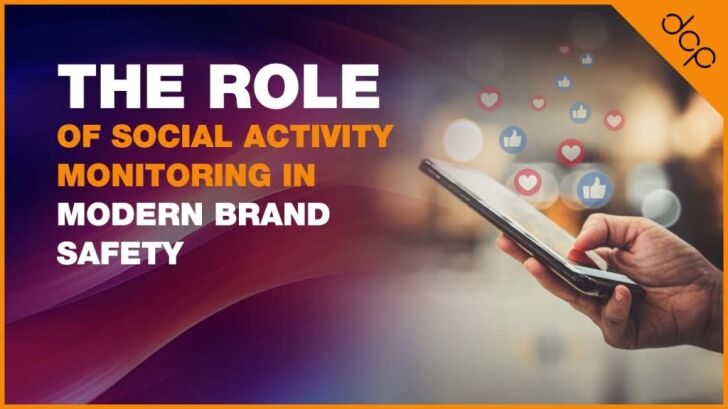
Brands operate in an environment where reputation can shift very quickly. Public expectations change, conversations escalate without warning and partner choices receive close attention. PR teams know that brand safety depends on the ability to detect signals before they become visible problems. Social activity monitoring has therefore become an essential part of risk management. It helps decision makers understand how audiences behave, which voices gain influence and how associations form across digital spaces.
Many communication teams rely on monitoring tools that organise public activity into clear patterns. An ig tracker supports this work by showing how accounts interact, who they follow and how conversations move from one creator to another. These details help brands anticipate reputational risks and make informed decisions about partnerships and campaigns.
Why Social Activity Monitoring Matters for Brand Safety
Patterns in activity show brands information not typically seen in normal reports. Brands like to understand how communities change attention, what creators build traction, and what profiles draw criticism. By monitoring these trends, PR teams can ensure alignment between brand values and what the public expects.
Some organisations use activity insights to guide early decision making. When they evaluate a potential partner, they want to understand how that person interacts with others in their network. A stable activity pattern that reflects consistent professional behaviour usually indicates a lower risk profile. Irregular spikes or sudden attention from controversial spaces may signal a need for more in-depth review.
Real-world examples demonstrate how quickly activity can raise concerns. Even small behavioural shifts such as sudden engagement with sensitive or controversial accounts can create public tension. A situation like the one discussed here shows how online activity can trigger emotional reactions and rapid conversation growth among audiences. While the example is personal rather than corporate, it illustrates how seemingly small actions can escalate quickly in digital spaces. Brands use similar signals to anticipate reputational risk and respond before attention intensifies.
This type of approach provides teams with the ability to mitigate uncertainty and respond immediately to changes. Knowing what is changing in how members of the community are acting will help develop a stronger communication plan and provide clear messaging.
Understanding Network Influence
A creator’s network has a huge impact on their level of influence. PR professionals can evaluate who a creator interacts with (friends or family) to learn more accurately about the social environment around that profile. These insights are also valuable when planning or optimising Facebook and Instagram Ads, helping brands identify authentic partnerships and improve campaign targeting.
Detecting Pattern Changes Early
Sudden changes in activity can indicate that a conversation is forming. This gives brand teams the opportunity to prepare appropriate responses or adjust collaborations before sentiment shifts further.
How Monitoring Supports Partnership Decisions
Brand partnerships carry reputational impact. Monitoring activity helps teams evaluate potential collaborators with greater confidence. They can examine growth patterns, engagement behavior and associations that may influence public perception.
- A lot of brands have a structured approach when it comes to evaluating potential partnerships with influencers. The review process may consist of:
- An analysis of trend data on the influencer’s most recent activity level.
- The brand will look at how their target audience responds to sensitive issues.
- The brand will also evaluate the influencer’s overall engagement habits with others.
- The company will determine if the influencer’s network is a good fit for the brand.
- Stability in the influencer’s followers/activity will also be evaluated to help drive longer term results.
This process supports clear, informed judgments. It helps brands avoid misalignment with creators who might introduce reputational challenges.
A communication team might also track activity during a campaign to ensure alignment remains stable. If patterns indicate rising negative attention around a collaborator, the team can respond quickly with adjustments or clarifications.
Using Activity Data to Strengthen Crisis Prevention
To discover and mitigate potential crises, we need to identify warning signs early on. One of the ways PR teams can monitor for these early warning signs is by tracking social media trends. By following social media trends, PR teams can see the patterns that indicate a shift in sentiment and react before it becomes an issue.
PR teams often utilise social media activity patterns to detect developing issues. For example, PR teams might monitor spikes in engagement from critical communities or conduct monitoring of spikes in mentions for accounts that are typically associated with heated discussions. PR teams can use these patterns to effectively communicate about an emerging issue in advance of the announcement, or to adjust their planned communications around the launch of new content.
PR professionals commonly utilise social media activity data for various reasons:
- Tracking whether public figures connected to the brand face rising scrutiny.
- Observing which topics gain traction among relevant audiences.
- Identifying when conversations about the brand begin to cluster around specific accounts.
- Noting unusual activity that suggests a change in sentiment.
- Reviewing how the brand’s own audience behaves during potential pressure points.
These tasks support a proactive approach to brand safety.
Response Planning Based on Behavior Trends
When teams detect shifts early, they can prepare responses that address concerns clearly. Activity patterns help communication teams choose the right time for statements, announcements or clarifying messages. This improves accuracy and reduces the risk of escalating a problem.
Conclusion
In order to maintain the confidence in your brand that exists today, brands must pay attention to a number of things on an ongoing basis. Brands are key players in the brand ecosystem and continue to monitor what they say, how they say it and the types of conversations that they are having and what is being discussed.
Traditional analytical tools may miss many of the signals around the social activity, but through social monitoring we can see those patterns quite well. By monitoring social activity, the brand can better select appropriate partners, identify potential reputational risks and have better communication plans/methods before experiencing.
Through these modern-day tools that allow organisations to gather and present these insights in a timely fashion, they increase their overall success at preventing risk and help to maintain the trust of their customers in an ever-evolving digital world.