

The distinctions between the various platforms that allow us to communicate with clients become more and more blurred. This is particularly visible in contemporary technology society.
The matter is most evident when we compare web design to digital signs. The convergence of these two domains creates new options for clients. Specifically, the capacity to build an experience for them that is not only appealing, but inventive and personalised.
Strengths of Interactive Features
Interactivity is one of the obvious most powerful advantages of modern web designs and digital signage. Brands can create unforgettable interactions. This is thanks to the strong development of the following technologies.
- Touch screens.
- Motion sensors.
- Real-time data integration.
Real data integration
Digital signage powered by real data can change its content based on your unique settings. Here we can draw an analogy with web design, when pages are adapted for a specific user segment. With this approach, you can create a sense of a live connection between your brand and customers.
Innovative solutions allow you to integrate web design elements with dynamic displays. In particular, Kitcast digital signage stands out among such solutions. Exploring a modern website, you can immediately see how the customer experience is transformed by a skillful combination of functionality and creativity. This synergy creates unique opportunities for your brand to grow.
Touch screens
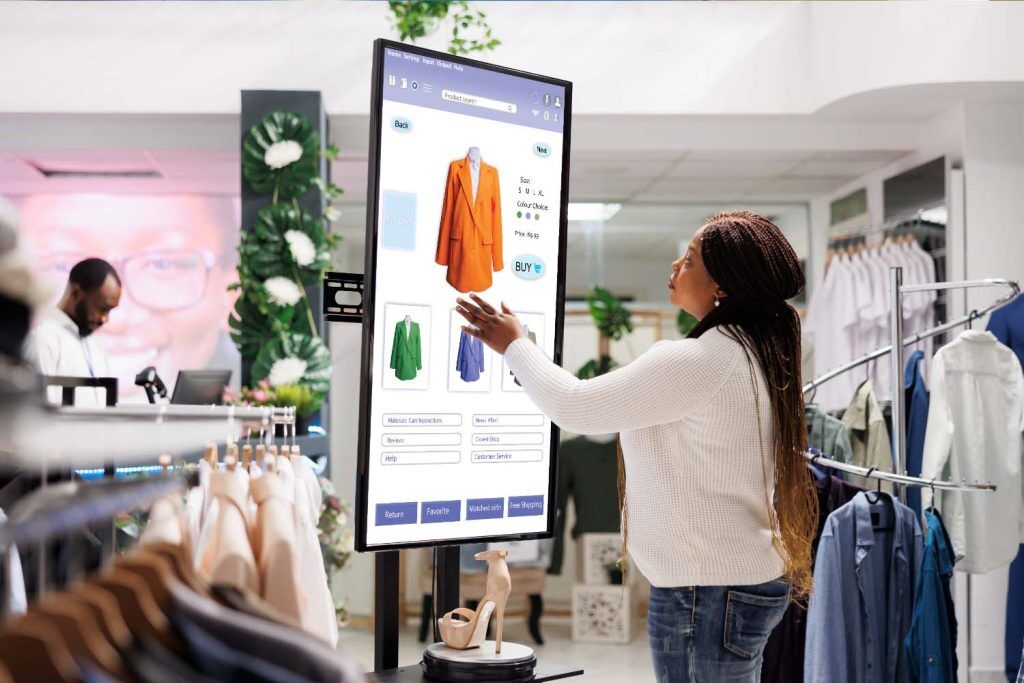
They became an influential basis for innovative digital signage solutions. Such screens allow users to interact with the content directly.
- Viewing a menu.
- Choosing a product.
- Participating in an interactive game.
Fast food restaurants are a good example. Customers use touch screens to place orders without queues.
In web design we can see a similar approach with adaptive interfaces. The latter make it easier to navigate and interact with content. At the same time, they provide an intuitive experience even for those users who are new to the platform.
Motion sensors
Motion sensors, as new kinds of interaction, are getting more prevalent in interfaces. You may see them in physical and virtual settings.
One example is interactive shop windows at stores. They can activate adverts and entice you to interact with the goods by responding to passersby’s movements. This creates significantly more interest because of the surprise effect.
Web design uses feedback elements and creates a similar effect of engagement. Among these elements, adaptive animations are actively used.
Integrating motion into interfaces also helps users focus their attention on key elements. Thus, their influence on decision-making enhances.
Customisation. Targeted Messaging
How well you want to interact with your customers will depend on how well you personalise your content. Just like modern web pages, digital signage can actively use user data to offer only what users need.
Personalisation in web design
On websites, data analysis algorithms are used to individualise content.
- Adaptive recommendations.
- Personalised home page.
- Special offers.
Big Data usage
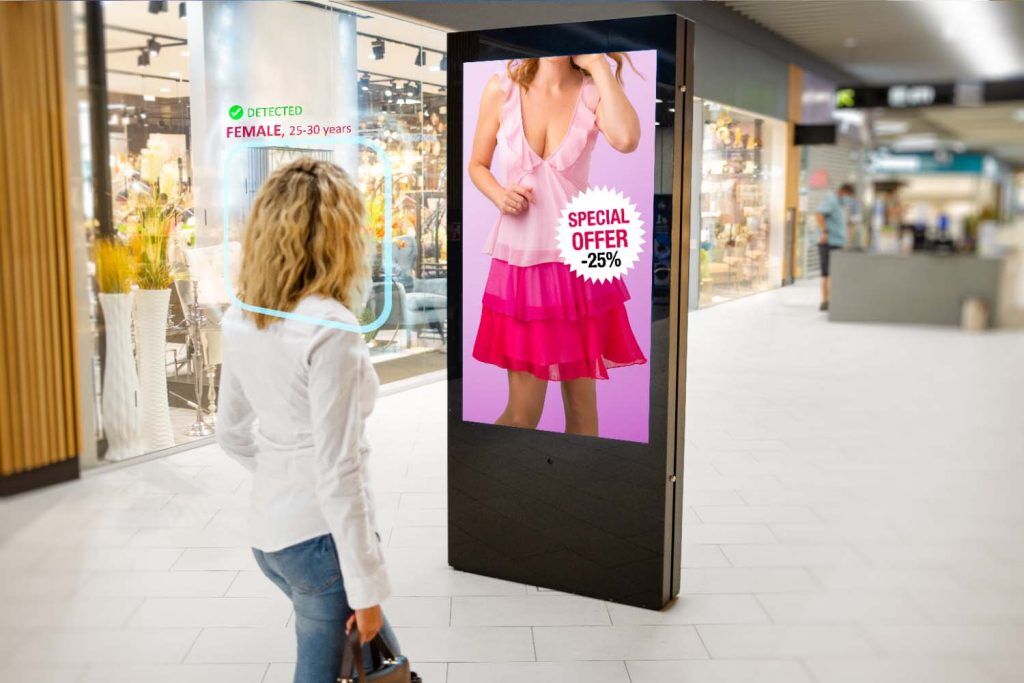
Big Data allows brands to analyse user behaviour in the most detailed way. This helps to create messages that are suitable for a specific audience. For example, digital signage in shopping malls can adapt ads depending on age, gender, etc.
Multichannel Approaches for Smooth Experiences
When you develop omnichannel strategies, you take a decisive step to a seamless experience for customers.
Online and offline integration
Omnichannel techniques provide a link between online and offline settings. A frequent example and solution is when a customer browses the product range online and then receives pertinent information through digital screens in the store.
Branding coherence
Customers should have the same experience whether they browse the website or visit physical places. This branding consistency will instill trust in the organisation and foster a strong emotional connection with the client. It also implies that the use of fonts, colours, and a single style must be consistent. This will improve brand recognition across all platforms and boost audience loyalty. You may also view an opinion by Forbes about digital signage and how Kitcast can turn Apple TV into a signage display.
Upcoming Trends. What Happens Next?
Technology is continually altering the rules. Customer engagement is not an exception. So, what does the future hold?
AI's role
Artificial intelligence can become a key element. It will analyse user behavior in real time and adapt content automatically at lightning speed.
AR. VR
By integrating augmented and virtual reality, we can create even more immersive environments. For example, VR will make it possible to offer virtual product tours. Thanks to AR, customers can “try on” furniture at home.
Increased integration of the IoT
IoT expands the possibilities of interactivity. Digital signage will receive information from surrounding devices and offer the most relevant content.
Summary
The merging of web design and digital signage presents new options for businesses. The goal is to provide clients with creative, never-before-seen experiences. Personalisation, interaction, and omnichannel tactics serve as the foundation.
The one for developing long-term consumer connections. Furthermore, the integration of AR/VR and AI will make this process much more entertaining as well as successful.