

Have you ever attempted to access a website on your mobile device, only to be met with tiny text or images that extend past the edges of the screen? You zoom in and out, questioning if your device is attempting to frustrate you. It is a shared experience. Fortunately, we are progressing far beyond the struggles of dealing with websites.
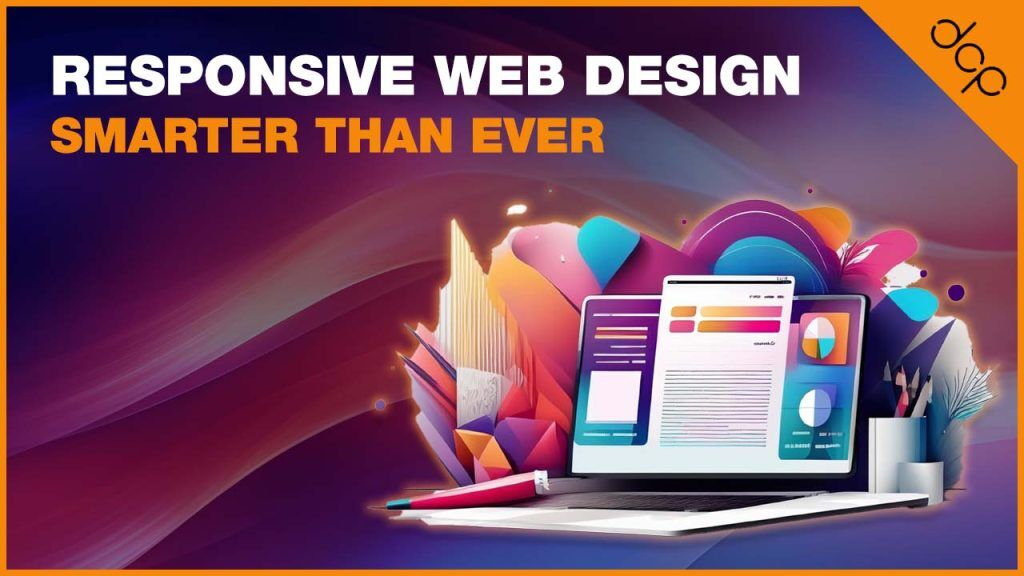
Today, responsive web design has become much brighter. With the rise of AI, modern websites can now adapt and reformat themselves seamlessly across devices, whether you’re on your desktop, smartphone, or tablet. And it’s more than just resizing text and images; AI takes responsive design to a new level.
Now, think about this: your favourite websites magically “know” whether you’re on your phone at the coffee shop or using a desktop at work. They adjust layouts and images, and sometimes even optimize content based on device type. This is how AI will make web design seamless in background operation, keeping your browsing experience smooth and frustration-free.
AI's Role in Crafting Seamless User Experiences
So, how does AI make web design smarter? It all begins with adaptability. While traditional responsive web design uses pre-set rules and breakpoints to reformat websites across devices, AI takes this a notch higher. It analyses data in real-time, continuously learning from user interactions and improving how a website responds to different screens and usage patterns.
For example, AI-driven responsive design doesn’t only adapt the layout; it changes how the content is displayed. AI may choose which images are most relevant for a particular screen size, dynamically adjust font sizes, and even suggest various design tweaks that improve user engagement.
The fun part is that AI can try out a website’s performance on different devices and make informed adjustments based on gathered data. For example, smartphone users may spend less time on a specific page. AI can do several experiments with layout or presentation that would increase engagement. It’s as if you have a group of web designers available 24/7, making adjustments to your website to ensure optimal performance, even when you’re not actively monitoring.
Companies need to invest in AI the right way to benefit from a responsive design. That requires understanding where AI can provide the most outstanding value—content scaling, personalized user experiences, and automated testing—and staying calm, most importantly, by the range of choices offered by various AI tools. Through a strategic approach to AI, businesses can maximize the return on their investment while staying ahead in the ever-evolving digital space.
Real Benefits to Businesses and Users
An outdated and cumbersome website is like participating in a race while wearing flip-flops. You won’t get very far, and your competitors will leave you behind in no time. AI-powered responsive design gives businesses a severe leg up, starting with improved SEO. Google now ranks sites based on how mobile-friendly they are, so an AI-optimised site means quicker load times and more relevant content for your audience, meaning higher search engine rankings.
There is also customer engagement to consider. A website that’s both easy to navigate and visually appealing keeps visitors engaged, reducing bounce rates. For example, an online shop that revamps its site with AI can see immediate benefits. Within weeks, they can see people spending time on the site exploring their products, leading to increased sales conversions. That is AI in action: helping businesses make casual browsers paying customers.
On the contrary, AI-driven responsive design goes hand-in-glove with user experience. When a website opens fast, promptly adjusts according to your device size, and reflects a design that is easy to navigate through, it creates the feeling that the site is responsive and working for you, and not the other way around. No more fumbling, pinch-zooming, squinting, and images that just wouldn’t load.
It’s not unlike walking into a perfectly organised shop, where everything is precisely where you expect it to be. You don’t have to waste time trying to find something; the experience is seamless.
That, as they say, is precisely the case with a responsive website: AI ensures that users are not impeded by slow loading or poor, clunky navigation. AI smooths out all the possible frustrations so they can focus on what they came for your content, products, or services.
Nobody wants to pinch and zoom like it’s the early 2010s. AI eliminates those headaches and makes the browsing experience faster, cleaner, and infinitely more enjoyable.
Using the Technology Responsibly
AI may seem futuristic and straight out of a science fiction movie, but you don’t need to be a tech genius to use it. Upgrading responsive web design is now more within reach for businesses, but the excitement around AI can sometimes lead to unrealistic expectations.
The key is to pour your attention on the specific ways AI can benefit your business. You don’t need to change your entire operation completely all at once. Instead, it’s important to start putting resources into the technologies that have a genuine impact. AI may help you automate content scaling across various devices or deliver real-time insights into how users use your site. That’s a smart first step.
As those results start to pop, you can graduate into the more advanced uses, such as AI-driven personalization or predictive design enhancements. You don’t have to hire a fleet of robots to make your website smarter. A few smart but strategic moves can make all the difference.
Wrapping Up: The Future of Web Design Is Happening Now
Responsive web design, supercharged by AI, is not a fad; it’s the way forward when building websites. Whether you are a business that wants to drive sales or a user just trying to use a website with frustration, AI is quietly revolutionizing your digital experience.
It can and should be smart enough to work for you, adapting itself to your users’ devices and screen sizes at any hour of the day or night. The technology has arrived, and the possibilities are limitless. So, are you ready to take the leap into a more intelligent web design future?