

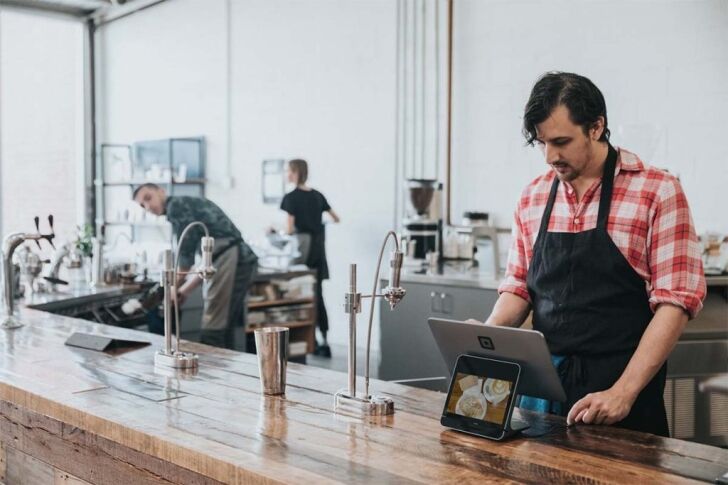
Image by Nathan Dumlao on Unsplash
Online ordering has become a pivotal component of the restaurant industry. With 31% of U.S. consumers using third-party delivery services at least twice weekly, a robust online presence is crucial for restaurants.
This guide will explore how restaurants can optimise their websites to support efficient online ordering systems. We will cover best practices for user experience, menu presentation, mobile responsiveness, and integrating online ordering platforms like SpotOn.
Importance of a User-Friendly Website
In an era where online interactions dictate customer choices, having a user-friendly website is vital for restaurants. With approximately 94% of diners indicating that online reviews significantly influence their dining selections, the first impression made through a website can determine whether a potential customer chooses to place an order or visit.
This highlights the necessity for an intuitive design that invites exploration and encourages engagement.
A well-structured website showcases a restaurant’s menu and integrates seamless online ordering to enhance the customer experience. By prioritising ease of navigation and clear information presentation, restaurants can effectively convert website visitors into loyal patrons, further amplifying the benefits of positive online feedback.
Easy navigation
A seamless navigation experience is essential for any restaurant website aiming to facilitate online orders. Customers should be able to find what they’re looking for without feeling overwhelmed or frustrated.
Intuitive site architecture improves the user experience and decreases the likelihood of bounce rates, which can occur when users cannot locate information quickly.
Key restaurant website features such as a clear menu layout, prominent call-to-action buttons, and a logical flow from one page to another can greatly enhance usability. By focusing on easy navigation, restaurants can ensure that potential customers enjoy their browsing experience and are more likely to complete their orders.
- Clear structure: A well-organised website helps users easily identify key sections such as the menu and contact information. This clarity streamlines the user experience, making them more likely to complete their orders.
- Categories & subcategories: Organising menu items into clear categories like appetisers and main courses allows customers to navigate directly to their desired dishes. This simplification encourages users to explore the menu further.
- Search bar: A visible search bar enhances accessibility, enabling customers to find specific items quickly. This feature significantly speeds up the ordering process and improves user satisfaction.
- Mobile responsiveness: With more and more people using smartphones to place orders, ensuring the website is mobile-friendly is essential. A responsive design can work with various screen sizes, allowing customers to navigate and order easily, regardless of their device. This not only improves user experience but also helps in retaining customers who prefer the convenience of mobile ordering.
Fast loading times
In an increasingly impatient digital landscape, fast loading times are essential for retaining potential customers on a restaurant’s website. Consumers expect rapid access to information, but even a slight lag can deter them from completing online orders.
Optimising a website for speed boosts user experience and positively influences search engine rankings. This means restaurants with faster sites are more likely to attract new customers through organic online searches.
Prioritising loading times can be critical in driving sales and enhancing overall customer satisfaction.
- Optimise media: Implementing media optimisation techniques, such as compressing images, helps reduce loading times while maintaining visual quality. Quick access to appealing visuals encourages customers to engage with the menu.
- Reliable hosting: Choosing a trustworthy hosting service ensures consistent website availability and minimal downtime. A stable host guarantees that customers can access the site whenever they wish to place an order.
- Improve user experience: Enhanced loading speeds significantly elevate user experience by retaining visitor interest. A fast and smooth interaction encourages site exploration and increases the chances of purchasing.
Clear Calls-to-Action (CTAs)
Effective calls-to-action (CTAs) can significantly influence a restaurant’s ability to turn visitors into paying customers in the competitive digital landscape. With well-crafted CTAs, restaurants can guide potential patrons towards desired actions, such as placing an order, signing up for a newsletter, or following the brand on social media.
Therefore, its importance cannot be overstated when optimising a restaurant’s online presence.
Crafting compelling CTAs requires an understanding of customer behaviour and engagement strategies. Clear, concise, and visually appealing prompts encourage users to act immediately, enhancing the overall user experience.
By strategically placing CTAs throughout the website, restaurants can create a seamless journey that ultimately drives conversions and fosters customer loyalty.
- Prominent CTAs: Ensure call-to-action buttons are prominently displayed to enhance their visibility and make it easier for users to locate and engage with them. A combination of size, contrasting colours, and action-oriented text significantly boosts the likelihood of users following through with their intended actions.
- Strategic placement: CTAs should be thoughtfully placed throughout the website to catch users at critical junctures of their browsing journey. By integrating them on the homepage, after menu listings, and during checkout, restaurants can effectively guide users toward completing orders.
- Visually appealing: The design of CTAs must attract attention while remaining user-friendly, utilising vibrant colours, appealing fonts, and relevant graphics. A well-designed CTA draws users in and encourages them to engage, increasing the chances of conversion.
- Compelling language: CTAs should employ clear and motivating language to instil a sense of urgency in users. Direct phrases like “Order Now” or “Join Our Community” clarify the expected outcome from clicking the button, diminishing users’ hesitation.
Menu Presentation
An appealing menu presentation is crucial for engaging customers and facilitating orders. A cleanly structured menu can significantly enhance user experience, increasing conversions.
Restaurants with an online ordering system earn 30% higher profits in takeout and delivery services, emphasising the importance of an effective menu layout.
High-quality images
High-resolution images capture potential customers’ attention and drive their interest in menu items. By showcasing visually appealing photos, restaurants can effectively entice users to explore their offerings and ultimately place orders.
- Showcase items: Use high-quality images to showcase menu items.
- Consistency: Images should be consistent in style and size.
- Enticing visuals: Include images for every menu item to entice customers.
Detailed descriptions
Detailed descriptions of menu items are essential for informing and enticing customers. By providing clear and engaging information, restaurants can boost the dining experience and encourage customers to make informed choices.
- Informative: Provide detailed descriptions for each menu item.
- Ingredients & preparation: Include ingredients, methods, and special notes.
- Clarity: Descriptions should be clear and concise to help customers make informed decisions.
Highlight specials and promotions
Highlighting specials and promotions is essential for capturing customer attention and driving sales. By effectively showcasing these offerings, restaurants can enhance their menu presentation while incentivising customers to purchase.
- Prominence: Your website should feature daily specials and promotions on the menu.
- Attention-grabbing: Use banners or pop-ups to draw attention to special offers.
- Regular updates: Regularly update the menu to keep it fresh and engaging.
Integrating Online Ordering Platforms
Choosing the right online ordering platform is vital for seamless integration and enhanced customer experience. Platforms like SpotOn provide a streamlined, commission-free service that benefits the restaurant and its customers.
Streamlined ordering process
A streamlined ordering process is essential for customers to have a smooth and efficient experience when placing orders. By simplifying this process, restaurants can enhance customer satisfaction while driving increased sales.
- User-friendly interface: SpotOn offers a user-friendly interface that simplifies the ordering process.
- Customisable orders: Customers can easily browse the menu, customise their orders, and make payments.
- Error reduction: A streamlined process reduces errors and improves customer satisfaction.
Commission-free service
Adopting commission-free online ordering platforms can significantly enhance restaurant profitability. By eliminating transaction fees and investing in growth opportunities, businesses can retain more revenue.
- Profit retention: Unlike many third-party delivery services, SpotOn offers a commission-free model. This enables restaurants to keep a larger portion of their sales, enabling better financial planning and increased investments in quality and service.
- Increased profits: Retaining more revenue helps restaurants boost profitability, facilitating expansion and improved customer offerings.
- Bottom line impact: The absence of commission fees directly contributes to a healthier financial outlook, impacting the restaurant’s ability to invest in staff, marketing, and product improvements.

Image by Pablo Merchán Montes on Unsplash
Leveraging Customer Reviews and Feedback
Customer reviews and feedback are critical in shaping a restaurant’s online reputation. About 94% of diners say online reviews significantly influence their dining selections. Here’s how to leverage reviews and feedback to improve online ordering success.
Encouraging positive reviews
Encouraging positive reviews is vital for enhancing a restaurant’s online reputation and attracting new customers. By actively seeking feedback and creating an environment for satisfied diners to share their experiences, restaurants can massively influence potential customers’ decisions and build a loyal customer base.
- Incentives: Encourage happy and satisfied customers to leave positive reviews on popular platforms.
- Rewards: Provide incentives such as discounts or loyalty points for leaving reviews.
- Attraction & Trust: Positive reviews can attract new customers and build trust.
Responding to feedback
Responding to customer feedback is essential to demonstrating a restaurant’s commitment to customer satisfaction and service improvement. By actively addressing positive and negative reviews, restaurants can build more solid relationships and cultivate a sense of community with their clientele.
- Active monitoring: Actively monitor and respond to customer feedback, both positive and negative.
- Prompt addressing: Address any issues or concerns promptly and professionally.
- Enhanced reputation: Demonstrating responsiveness can enhance a restaurant’s reputation.
Utilising feedback for improvement
Utilising customer feedback for improvement is crucial to any successful restaurant strategy. By carefully analysing reviews and suggestions, restaurants can identify areas for enhancement, adapt their offerings, and ultimately create a more satisfying dining experience for their patrons.
- Identify improvement areas: Use customer feedback to identify areas for improvement.
- Menu and process changes: Based on feedback, make necessary changes to the menu, website, or ordering process.
- Continuous improvement can result in higher customer satisfaction and increased sales.
Promoting Your Online Ordering System
Effective promotion is essential for driving traffic to your online ordering system. Here are various strategies for promoting your online ordering system.
Social media marketing
Effective social media marketing helps promote your online ordering system and increase customer engagement. By leveraging platforms where your audience spends their time, you can create targeted campaigns that showcase your menu, highlight promotions, and drive traffic to your online ordering site.
- Platform utilisation: Utilise social media platforms to promote your online ordering system.
- Engaging content: Share engaging content, such as images of menu items and special offers.
- Targeted ads: Utilise targeted ads to reach a broader audience.
Email marketing
Email marketing is an effective method of engaging and informing customers about your online ordering system. By sending targeted messages, restaurants can keep patrons updated on promotions and new menu items and encourage repeat orders, fostering loyalty and driving sales.
- Email List: Establish an email list of customers and send regular newsletters.
- Informational content: Include information about new menu items, promotions, and online ordering options.
- Personalised marketing: Personalised email marketing can drive repeat business.
Local SEO
Local SEO is a vital strategy for restaurants to enhance their online presence and entice nearby customers. Optimising online visibility in local search results enables restaurants to drive more traffic to their online ordering systems and increase patronage from their community.
- Optimisation: Optimise your restaurant website for local search engine optimisation (SEO).
- Relevant keywords: Include “online ordering” and your location.
- Attract nearby customers: Local SEO can help attract customers searching for online ordering options.

Image by Simon Kadula on Unsplash
Ensuring Security and Compliance
Ensuring security and compliance is vital for any restaurant operating an online ordering system. With increasing concerns over data privacy and payment security, restaurants must implement robust measures to safeguard customer information and adhere to industry regulations.
Secure payment processing
Secure payment processing is critical for maintaining customer trust and enhancing the online ordering experience. Restaurants must implement effective security measures to protect private financial information and comply with industry regulations, safeguarding their clientele and business integrity.
- Secure gateways: Use secure payment gateways to protect customer payment information.
- Encryption: Implement SSL certificates to encrypt data transmitted through the website.
- Trust building: Secure payment processing can prevent data breaches and build customer trust.
Compliance with regulations
Compliance with regulations is essential for restaurants to safeguard their online ordering systems and maintain customer trust. By adhering to local laws and industry standards, restaurants can protect their customers’ data and enhance their credibility in the market.
Regular security audits
Regular security audits are essential for identifying vulnerabilities within your online ordering system and ensuring effective protective measures. By conducting these audits, restaurants can proactively address potential risks, safeguard customer data, and maintain compliance with industry regulations.
- Audit conducting: Conduct regular security audits to identify and address vulnerabilities.
- Monitoring tools: Use tools and services to monitor for potential security threats.
- Maintained security: Regular audits can help maintain a secure and trustworthy online ordering system.
Optimised From Your Website to Their Plates
Optimising your restaurant website for online ordering success involves creating a user-friendly interface, presenting an attractive menu, ensuring mobile responsiveness, and integrating effective online ordering platforms. Leveraging customer reviews, promoting your system effectively, and ensuring security and compliance are crucial steps.
By following these strategies, restaurants can optimise their websites for online ordering success, ultimately driving sales and enhancing customer satisfaction.