

Web design has matured beyond arranging pixels and choosing fonts. Today, designers sit at the intersection of business goals, human behaviour, and storytelling.
Clients may arrive asking for a “modern website,” but what they truly need is content that communicates clearly, converts consistently, and feels unmistakably human.
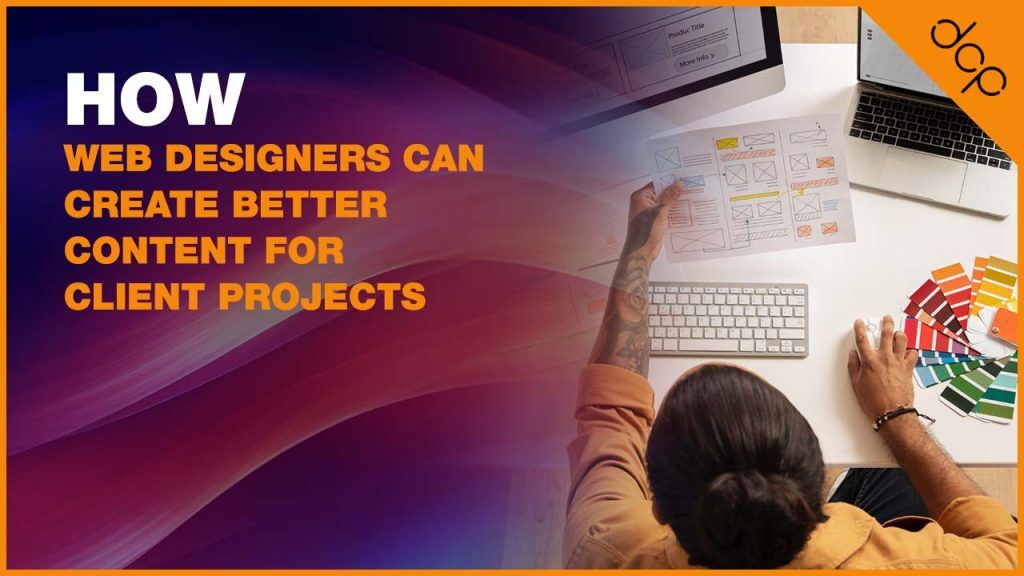
Strong content is no longer a nice extra added at the end of a project. It is the foundation that determines whether a site quietly succeeds or slowly fades into irrelevance.
For web designers, creating better content does not mean becoming a full-time copywriter. It means learning how to guide structure, shape clarity, and support meaning across every page.
Here are some practical ways designers can elevate content for client projects, while staying firmly within their professional lane and strengthening the final outcome.
Start With Intent
Before a single wireframe is drawn, the most important question to ask is why the page exists at all. Too many client websites are built around assumed needs rather than real user intent.
Designers often receive content after the layout is finalised, then struggle to make it fit. The stronger approach is to anchor every page to a clear purpose from the beginning. Ask what action the client wants a visitor to take, and what problem the visitor is trying to solve.
A homepage is rarely meant to explain everything. A service page is not a biography. Once intent is defined, content decisions become easier. Headings feel sharper. Calls to action feel earned rather than forced.
Designers who lead with intent can guide clients away from cluttered messaging and towards pages that feel focused, calm, and purposeful.
This alone improves both usability and conversion without touching a single line of visual polish.
Translate Client Language Into Human Language
Clients often speak in internal jargon, industry shorthand, or marketing phrases that feel impressive but land poorly with real users.
Designers are in a powerful position to gently translate this language into something clearer. This does not require rewriting copy from scratch. You only need to be aware of which parts need to be changed.
When reviewing content, look for phrases that sound like they were written for a boardroom rather than a person. Long sentences that explain nothing. Buzzwords that avoid specificity. Vague claims without evidence. Flag these moments and suggest alternatives that sound natural when read aloud.
A useful habit is reading key sections of copy as if speaking to a friend. If it feels awkward or over-engineered, users will feel the same. Designers who help simplify language improve comprehension, trust, and accessibility, all while making the site feel warmer and more confident.
Use Real Examples to Build Credibility and Trust
Abstract claims may sound polished, but they rarely convince anyone. Phrases like “industry-leading” or “results-driven” are everywhere, which means users have learned to skim past them.
A stronger approach is grounding content in real, observable examples that feel specific and verifiable. Web designers can encourage clients to include brief case snapshots, concrete outcomes, or short explanations of how a service actually works.
These details do not need to be exhaustive. Even a few grounded references help users sense authenticity. For content-heavy industries, designers can also suggest running copy through a free AI detector as a sense check, ensuring the language still feels human and not overly automated.
From a design perspective, layouts should make space for these examples rather than hiding them behind generic sections. When content shows evidence instead of making promises, trust builds quietly and naturally, which is exactly what high-performing client websites need.
Design Content Hierarchy Before Visual Hierarchy
Visual hierarchy and content hierarchy are often treated as the same thing, but they serve different roles. Visual hierarchy helps users scan. Content hierarchy helps users understand. When designers focus only on size, colour, and spacing, important messages can still get lost.
Start by identifying the primary message of each page, followed by supporting ideas and secondary details. This hierarchy should exist in plain text before any styling decisions are made.
Headings should carry meaning, not decoration. Subheadings should guide the reader, not repeat the headline in different words.
Once the content hierarchy is clear, visual decisions become far more intuitive. Pages feel easier to read. Users know where to look next. Designers who prioritise meaning before aesthetics create layouts that feel effortless rather than busy, even when the design itself is quite bold.
Collaborate Early With Writers and Stakeholders
One of the most overlooked opportunities in client projects is early collaboration. Content often arrives late, rushed, and disconnected from the design. Designers can change this dynamic by inviting writers, marketers, or key stakeholders into the process earlier.
This does not require long meetings or complex workshops. A simple shared outline, page goal document, or content-first wireframe can align everyone quickly. When writers understand layout constraints early, copy becomes cleaner. When designers understand messaging priorities, layouts become more intentional.
Early collaboration also reduces revision fatigue. Fewer last-minute changes. Fewer compromises. The final site feels cohesive because it was shaped together, not stitched together at the end.
Designers who lead this collaboration quietly increase their value in the eyes of both clients and teams.
Use Structure to Support Skimming and Depth
Modern users rarely read websites line by line. They skim, pause, return, and compare. Good content design respects this behaviour without sacrificing depth. Designers play a critical role in making content approachable at every level of attention.
Break content into logical sections with descriptive headings. Use short paragraphs that breathe. Allow white space to act as punctuation rather than decoration. Ensure that key ideas appear early, with supporting detail available for those who choose to read further.
This approach benefits both users and search engines. Clear structure improves accessibility and comprehension while helping pages rank more effectively.
Designers who think about how content is consumed, not just how it looks, create experiences that feel generous rather than demanding.
Design Calls to Action That Feel Earned
Calls to action are often treated as design elements rather than moments of persuasion. A button alone does not convert. The content leading up to it does. Designers can improve conversions by ensuring that every call to action feels like the natural next step.
Before placing a button, ask whether the content above has done enough work. Has the problem been clearly stated? Has trust been established? Has the benefit been explained in plain terms? If not, no colour or animation will fix it.
Designers can suggest more specific, human language for calls to action. “Get started” is vague. “Book a consultation” or “View pricing” sets clearer expectations. When content and design align around intention, calls to action feel helpful rather than pushy.
Respect Accessibility as a Content Issue
Accessibility is often discussed in technical terms, but it is deeply tied to content quality. Poorly structured copy, unclear headings, and vague links all create barriers for users. Designers should view accessibility as part of content responsibility, not an afterthought.
Ensure headings follow a logical order. Avoid using visual styling to replace semantic structure. Encourage descriptive link text that makes sense out of context. Support readability through contrast, spacing, and font choices that serve comprehension rather than trend.
Accessible content benefits everyone, not only users with assistive needs. It creates clarity, reduces friction, and increases trust. Designers who embed accessibility into content decisions demonstrate professionalism and care, qualities clients increasingly value.
Measure and Refine Content After Launch
Content creation does not end at launch. The most effective designers understand that real insight comes from observing how users interact with content over time. Encourage clients to review analytics, heatmaps, or user feedback related to content performance.
Look for pages with high bounce rates or low engagement. Often, the issue is not design quality but unclear messaging or mismatched intent. Small changes to headings, introductions, or calls to action can produce noticeable improvements.
By framing post-launch refinement as part of the design process, designers position themselves as long-term partners rather than one-off service providers. Content that evolves with real user behaviour stays relevant, useful, and aligned with business goals.
Design for Content Longevity
Many client websites are written as if nothing will ever change. This leads to content that ages quickly, becomes difficult to update, or quietly breaks when details shift. Designers can add long-term value by helping clients think about content as something that evolves.
Encourage wording that avoids unnecessary dates, trends, or overly specific claims unless they genuinely matter. Create layouts that allow sections to be added, removed, or reordered without redesigning the entire page.
Suggest content structures that support future updates, such as modular sections or repeatable templates. This approach reduces maintenance stress for clients and keeps websites feeling current for longer.
Designers who plan for content longevity demonstrate foresight and professionalism. The result is a site that grows with the business rather than one that needs constant repair or replacement.
Final Thoughts
Creating better content for client projects is not about taking over someone else’s role. It is about recognising the influence web designers already have on meaning, clarity, and user experience. Every layout decision shapes how content is perceived, understood, and trusted.
Designers who lead with intent, prioritise structure, collaborate early, and respect accessibility elevate the entire project without adding unnecessary complexity. They help clients communicate more clearly and connect more honestly with their audience.
In an increasingly crowded digital landscape, good design alone is no longer enough. Content is the quiet force that determines whether a site simply exists or genuinely works. Web designers who embrace this responsibility create websites that feel purposeful, human, and built to last.