
Learning design no longer requires an expensive university degree or costly software. Today, thousands of free resources are available online, making it possible for anyone to develop professional design skills from home.
Whether you want to become a graphic designer, web designer or simply improve your creative skills, there are countless free websites, blogs, videos and communities that can help you learn. With consistency and regular practice, you can build an impressive portfolio without spending a penny.
This guide explores some of the best ways to learn design for free and explains how each method can help you improve your skills.
Lorem ipsum dolor sit amet, consectetur adipiscing elit. Ut elit tellus, luctus nec ullamcorper mattis, pulvinar dapibus leo.
Know your basics - Learn the basic design principles
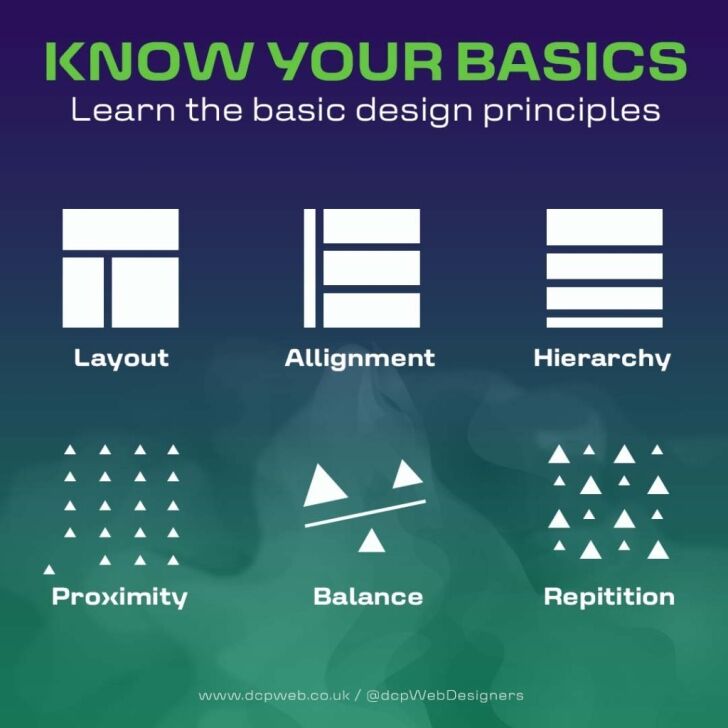
Learn the Basic Design Principles
Every successful designer understands the fundamentals before using advanced software.
Start by learning:
- Layout and composition
- Alignment
- Visual hierarchy
- Proximity
- Balance
- Repetition
- Contrast
- White space
- Colour theory
- Typography
These principles form the foundation of graphic design, web design and user interface design.
Understanding them will make every project you create look more professional.
Read what's trending - Navigate Desing Blogs
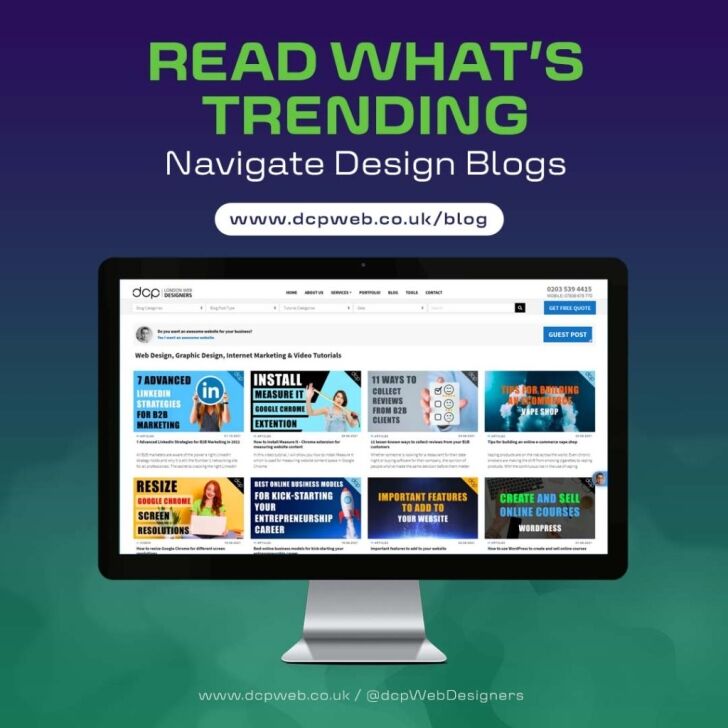
Read Design Blogs Every Week
One of the fastest ways to improve is by reading articles written by experienced designers.
Design blogs regularly publish tutorials covering:
- Website design
- Typography
- Colour psychology
- UX and UI
- Branding
- Accessibility
- Responsive design
- WordPress
- SEO
- Design trends
Reading a few articles every week exposes you to new ideas and keeps your skills current.
Analyse better designs - study other designers' work
Analyse Great Design Work
Professional designers rarely create work without researching first.
Study websites, logos, mobile apps, advertisements and branding from successful companies.
Ask yourself:
- Why does this layout work?
- Why were these colours chosen?
- Where does your eye look first?
- Is the design easy to understand?
- What could be improved?
Learning to analyse design is just as valuable as creating it.
A lot free cources all available - take one free online courses
Take Free Online Design Courses
Many websites now offer excellent beginner courses covering:
- Graphic design
- Web design
- User interface design
- User experience
- Adobe software
- Figma
- Canva
- Branding
- Typography
Video-based learning allows you to follow projects step by step while practising alongside the instructor.
Use free Adobe alternatives - like Figma & Canva
Use Free Design Software
Professional software can be expensive when you’re starting.
Fortunately, several excellent free alternatives exist.
Popular options include:
- Canva
- Figma
- GIMP
- Inkscape
- Penpot
- Krita
These tools provide more than enough features for beginners to develop real-world design skills.
Practise Every Day
The biggest difference between beginners and professionals is consistent practice.
Try creating:
- Website homepages
- Logos
- Mobile app screens
- Business cards
- Social media graphics
- Landing pages
- Posters
- Icons
The more projects you complete, the faster your confidence grows.
Ask for Feedback
Sharing your work with other designers helps you improve much faster.
Constructive criticism allows you to:
- Spot mistakes
- Improve layouts
- Refine typography
- Strengthen colour choices
- Improve usability
Every piece of feedback helps you become a better designer.
Build Your Own Portfolio
Even if every project is fictional, you should still build a portfolio.
Create projects for:
- Restaurants
- Trades
- Ecommerce shops
- Fitness companies
- Estate agents
- Charities
- Start-ups
A portfolio demonstrates your ability far better than qualifications alone.
Never Stop Learning
Design constantly evolves.
New technologies, accessibility standards, AI tools and design trends appear every year.
The best designers continue learning throughout their careers by reading articles, experimenting with new software and analysing successful work.
Continuous learning is what separates average designers from exceptional ones.
Conclusion
Learning design for free has never been easier. With access to free courses, design blogs, online communities and powerful design software, anyone can develop professional skills with enough dedication and practice.
Focus on learning the fundamentals first, create projects regularly and seek feedback whenever possible. Over time, your portfolio and confidence will grow alongside your ability.
If you’re looking for inspiration or want to see how professional websites are planned and built, DCP Web Designers are here to help.
As experienced Web Designers in London, we create bespoke websites, publish free educational resources and share practical advice to help designers and businesses build better digital experiences.