
With so much competition in London’s digital market, businesses need to get noticed online more than ever. Eye-catching banners can transform a website from forgettable to memorable in seconds. These visual elements serve as digital billboards, communicating brand messages and capturing visitor attention at important moments.
Creating effective banners doesn’t require professional design skills now. With the right design tools, even small London businesses can produce professional-looking designs that reflect their brand identity. The process of banner design has changed from complex graphic design work to streamlined template-based creation that anyone can master.
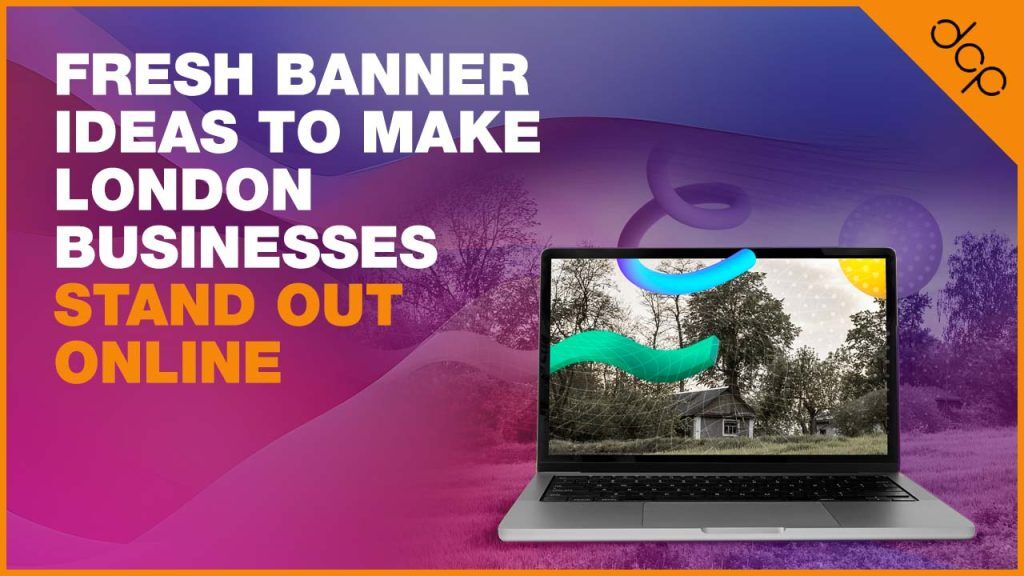
Why Effective Banners Matter for London Businesses
Strong banner design can have a positive impact on online engagement rates in competitive urban markets. UK businesses with optimised banners often experience higher click-through rates than those with generic designs. Quality design tools simplify the creation process for non-designers.
London is home to a large number of businesses, making competition for visibility especially intense. Distinctive banners serve as visual anchors, making brands more memorable after visitors leave a website.
Consistency builds stronger brand recognition. When London companies maintain coherent banners across websites, social media, and email campaigns, recognition increases among local customers who see these visuals across different platforms.
Common banner mistakes include cluttering designs with excessive text and using poor-quality images. Many businesses fail to optimise banner sizes for different platforms, resulting in blurry graphics that damage professional credibility.
Online banner creation tools, like Adobe Express’s, provide accessible solutions for these challenges. Many platforms offer templates suitable for all skill levels, enabling quick customisation with brand colours, fonts, and images.
Essential Elements of High-Converting Business Banners
Colour choices should align with target audiences and UK industry standards. Financial service firms often use blue banners to convey trust, while green supports messaging about sustainability. Businesses see better results when colours reflect brand values and audience preferences.
Typography matters equally. London businesses benefit from clear, sans-serif fonts like Arial or Helvetica for easy reading across all devices. High-contrast combinations help customers absorb calls-to-action during brief website visits.
Clear, focused calls-to-action are key for service businesses. Simple phrases like “Book Now” or “Get a Quote” work best. These elements stand out more with contrasting colours that draw attention without overwhelming the main message.
Size and Format Considerations for Different Platforms
Standard banner dimensions help ensure a professional appearance. Leaderboard banners (728×90 pixels) are commonly used for maximum exposure on many UK websites. Medium rectangle (300×250 pixels) and skyscraper banners (160×600 pixels) are popular choices for sidebars and page edges.
Social platform requirements vary significantly. Facebook cover banners work best at 820×312 pixels, while Twitter and LinkedIn have their own specifications. London businesses should create properly sized versions for each platform where their customers are active.
Responsive design principles matter as customers browse on various devices. Simplifying banners for smaller screens maintains impact where space is limited and prevents important messages from being cut off.
File format selection affects loading speed. PNG files keep text and graphics sharp, while JPG works well for photo backgrounds. Keeping file sizes compact improves both search rankings and user experience.
Time-Saving Banner Creation Methods for Busy Business Owners
Template-based approaches maintain professional quality while saving time. Pre-designed templates include standard dimensions and typographic pairings. This allows users to focus on campaign content rather than technical details.
Online banner creators offer intuitive drag-and-drop editing that reduces steps and time needed. London businesses can quickly produce banners for different purposes by customising layouts and applying consistent branding.
Setting up a brand kit inside your chosen tool improves efficiency. When logos, colour palettes and fonts are saved centrally, team members can quickly apply them to maintain cohesive visuals across all materials.
Batch creation techniques can help save time for seasonal promotions. Many London shops prepare sets of coordinated banners for annual events using template-driven platforms. This approach reduces effort needed for updates while keeping campaign visuals consistent.
Compared to traditional design services, DIY platforms help business owners create and update banners quickly. For those seeking professional results without design background, banner maker tools offer practical solutions.
Repurposing Content Across Multiple Banner Formats
Using one master design across different placements increases efficiency. London businesses can create a core banner for their website, then adapt it for social media headers or email newsletters. This method keeps messaging aligned while saving time.
Creating visually united banner sets strengthens brand identity. Groups of banners sharing colours, fonts, and logo positions reinforce recognition even when messages vary. Good asset management helps teams reuse elements across campaigns.
Tracking performance informs future design decisions. A London shop might compare click rates between banners featuring product photos versus text-heavy designs. Banner maker tools often include analytics showing which designs generate most interaction.
London-Specific Banner Design Strategies That Convert
Colour schemes that appeal to London audiences vary by district. Business areas often use deep blues, reds and neutral tones for a classic professional look. Creative neighbourhoods like Shoreditch respond better to brighter colour combinations.
Subtle references to London landmarks establish immediate local connection. These visual elements should remain understated to avoid appearing clichéd or too focused on tourism, which could undermine brand authority with local clients.