

Medical devices aren’t just hardware anymore. The period from 2020 to 2025 marks a real breakpoint. We’ve moved past standalone tools into a world where software, connectivity, and the data they generate are non-negotiable features. A glucose monitor is now a data node, an infusion pump part of a hospital’s digital network. This shift is fundamental.
In medtech, digital transformation means rebuilding the foundation. It’s less about the therapy itself and more about the technologies, design approach, and infrastructure that make it viable today. Companies are rethinking everything from how a device connects to how its software gets updated over a decade.
What Digital Transformation Means for Medical Device Companies
The business is now about creating connected ecosystems, not shipping a box. A modern device is just one component, linked to a companion app, a cloud platform, and hospital IT systems. This integration creates new demands that didn’t exist ten years ago.

User experience for both clinicians and patients is suddenly a major regulatory and commercial factor, which is why many companies now collaborate with a medical device design company that understands both software architecture and regulatory constraints. Data must flow securely and usefully between different systems, a problem called interoperability.
And devices need to support updates and new features over their entire lifecycle, much like a smartphone. It’s a completely different operational mindset.
Core Technologies Behind Modern Medical Devices
This entire shift sits on the back of several converging technologies. They don’t work in isolation; they combine to make the connected device model actually function. Older systems simply can’t handle these new requirements.
The essential tech stack includes:
- IoT connectivity enabling real-time device data exchange;
- AI-based signal processing and diagnostics support;
- Cloud platforms for scalable data storage and access;
- Edge computing for on-device processing and lower latency;
- Cybersecurity frameworks protecting connected medical systems.
Together, they form a single, interdependent system. A smart implant might use edge computing to process raw data locally, send summaries via IoT, store them in the cloud, and employ AI to flag anomalies for a doctor. Mess up one link and the whole chain fails.
Business and Clinical Benefits of Digital Transformation
The upside for manufacturers and healthcare providers is substantial. For firms, it opens paths to better products and new revenue. For clinics, it translates to improved patient outcomes and operational efficiency. The value is tangible.
AI-powered documentation tools can also improve clinical efficiency by reducing the time physicians spend on administrative tasks. For primary care practices, a best ai scribe for family medicine can help streamline clinical documentation and give providers more time to focus on patient care.
Key advantages driving adoption are:
- Faster product iteration through software updates;
- Continuous patient monitoring beyond clinical visits;
- Improved regulatory traceability with digital documentation;
- Predictive maintenance for connected medical equipment;
- New subscription and data-driven revenue models.
This changes the medtech business model at its core. Instead of a one-time sale, a device can become a platform for ongoing service. According to our analysts, this is where the industry’s margin and value are progressively moving.
Why Software Is Now Central to Medical Device Design
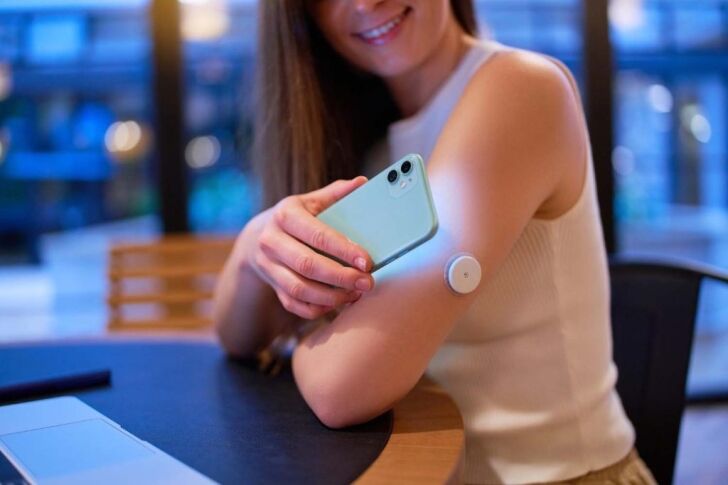
The hardware is still critical, obviously. But software defines the user’s entire interaction with the device. It governs the firmware on the device itself, the applications on paired mobile or clinical interfaces, and the cloud services that tie everything together. In many modern ecosystems, this also includes a regulated wearable app that allows patients to monitor data, receive alerts, and stay connected to care teams between visits.
Regulators now examine medical software almost as closely as hardware. They expect clear development processes, thorough testing, and tight control over how changes are made and recorded. This forces teams to stay flexible in how they build and update products, while still working inside strict compliance limits. Keeping that balance has changed how internal teams operate and how companies choose and manage software partners.
Challenges Slowing Digital Adoption in Medtech
The roadblocks here aren’t trivial, and they’re rarely just technical. Legacy mindsets in conservative sectors meet genuine, hard compliance hurdles. Progress often feels slow because the stakes, including patient safety and data security, are so incredibly high.
The primary barriers manufacturers face include:
- Complex regulatory requirements across regions;
- Strict data privacy and cybersecurity obligations;
- Integration with legacy hospital systems;
- Extensive validation for every software update;
- Shortage of cross-disciplinary digital talent.
Navigating this maze requires not just investment but very specific processes and experienced partners. Many traditional device firms struggle to build the needed software and systems integration competency in-house, fast enough.
The Future of Connected Medical Devices
We think the direction is clear, even if the pace isn’t. Remote care and monitoring will become standard for chronic disease management. Treatment will become more data-driven, with devices providing a continuous stream of real-world evidence to inform care. AI will function less as a buzzword and more as a practical tool for managing data overload, offering diagnostic support by highlighting patterns humans might miss. The device will become a more active participant in the care loop.
Conclusion
The equation is settled. A modern medical device is hardware plus software plus data. Digital transformation isn’t an optional upgrade for the industry. It’s the new baseline for competition and relevance. Companies that master this integrated approach will define the next era of patient care.
For those looking to understand the software side of this equation, exploring development in areas like wearable app creation offers a clear window into the user-centric, data-focused future of all medical technology.