

Last Dated: 03/09/2026
If you run a small business, you might wonder if artificial intelligence is just some buzzword for big companies. The truth is, AI is now affordable and practical for even the smallest teams. Businesses everywhere are using it to handle extra work, reach new customers, and compete with brands that once seemed out of reach.
Why should AI matter for you? Simply put, it can boost your business by taking care of the dull, time-consuming jobs, spotting chances for growth, and making your daily operations smoother. It helps you make decisions based on facts, not gut feelings, so mistakes are fewer and opportunities are easier to catch.
Even solo founders and family businesses are using AI to cut overheads, improve service, and win back time for what really matters. Whether you’re after quicker growth, better marketing, or just fewer admin headaches, AI shines a light on what’s possible, without needing an IT team or a huge budget.
How AI Supports Business Growth
AI isn’t here to take over your job. In the hands of small business owners, it’s more like an extra pair of hands-always working in the background. From sorting out the paperwork to understanding what customers want next, AI makes it possible to operate at a level that used to need whole teams.
When business picks up, you can struggle to keep up with demand. That’s where AI steps in, helping you handle more tasks without needing to hire more staff. It’s like stretching what your existing team can do, so you don’t have to choose between quality and growth.
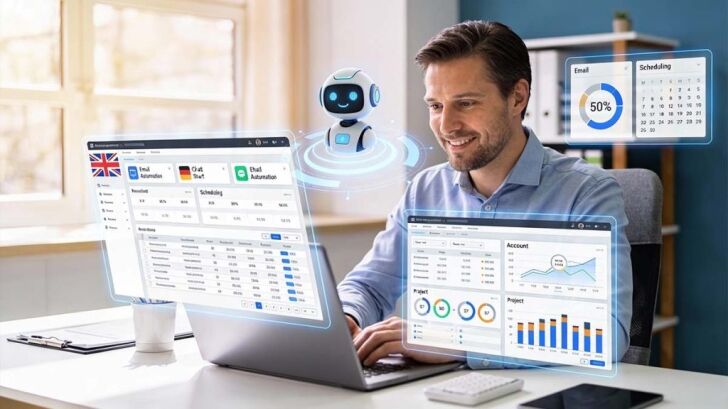
The real charm of AI is in its flexibility. You can use it to automate boring jobs, reply to customers, or dig into mountains of data for clever insights. While many off-the-shelf tools work well, some growing businesses work with a partner like Ansi ByteCode for custom AI development that matches their workflows and data when standard software feels limiting.
Whether your business is focused on retail, services, or even professional advice, there are AI options built to fit your needs-and your budget.
For UK businesses, this tech is no longer reserved for the large firms in London or big retail chains. It’s right here, ready to help you make work simpler and decisions smarter, no matter your size. In the following sections, you’ll see clear examples of where AI actually gets things done, without making staff worry about their jobs.
Scaling Business Operations with AI
- Automated Customer Support: AI chatbots and virtual assistants can handle hundreds of enquiries a day without you lifting a finger. For example, a small local estate agent can use an AI assistant to answer property queries day and night, allowing staff to focus on closing deals or in-person viewings.
- Streamlined Order Processing: Online shops can use AI tools to process orders, manage stock, and update customers automatically. Imagine a bakery using AI to manage online cake bookings and send customers pick-up reminders, cutting admin time in half as demand grows during holiday seasons.
- Data-Driven Scheduling: AI scheduling tools can fill available slots, assign jobs to team members, and alert you when appointments need attention. A small cleaning service can use AI to fill gaps in their calendar, maximise staff time, and handle sudden increases in bookings without extra paperwork.
- Personalised Offers and Marketing: AI analyses customer patterns to suggest targeted offers or new products that match their interests. A coffee shop might send out custom discounts on your favourite drinks, boosting sales without needing extra staff to run loyalty schemes.
- Efficient Financial Tracking: AI accounting tools can automatically sort payments, flag late invoices, and give clear reporting for your accountant. This makes the yearly accounts less of a minefield, especially as your business grows faster than expected.
To get started, focus on one bottleneck in your business-maybe handling incoming calls, tracking orders, or getting payroll done. Try an AI tool made for that task, then see how much extra time you get back or how many more customers you can serve. Over time, as needs change, you can add more tools without breaking the bank or your sanity.
Automating Routine Tasks to Free Up Time
- Email Sorting and Replies: AI can scan your inbox, sort messages by priority, even draft replies to common questions. No more wasting hours on admin when most messages just want the same simple answer.
- Invoice Handling: Some AI platforms create, send, and chase invoices so you get paid on time. You can cut out awkward phone calls and reduce the worry over late payments.
- Appointment Scheduling: Smart scheduling tools allow customers to book times online. They handle double-bookings, reminders, and even rescheduling, so your diary always stays up to date.
- Social Media Posting: AI-powered apps queue up posts, pick the best time for engagement, and respond to basic comments, which is great for keeping your shop Facebook page lively without spending all night glued to your phone.
- Customer Follow-Ups: Automate check-ins and feedback requests after a sale, so customers feel valued. For small teams, this can easily win repeat business while you focus on new leads.
Even shifting just one of these tasks to AI can save you hours each week. Start small, plug an AI tool into one job you dread, and watch how those minutes saved stack up. Before long, you’ll find you’ve got time to work on things that genuinely move your business forward, not just keep the wheels turning.
AI Tools That Make a Difference for Small Businesses

AI tools aren’t reserved for big tech companies or those with deep pockets. Now, there are smart solutions for communication, project management, and more, built specifically for people who want results rather than a headache. You don’t have to be a tech expert to give them a try.
These tools can help with everything from sending emails to tracking how projects are going, and even taking care of basic accounting tasks. A lot of them slot into your existing ways of working like an extra hand, not a confusing new system. Many are designed so you can dip your toe in, test them for free or with a low monthly cost, and only pay more when you start seeing real benefits.
Moving into AI doesn’t mean signing up for a major rebuild or putting a big dent in your savings. The right tools are now easier to find and set up than ever before. In the next sections, you’ll get the inside scoop on which tools UK small business owners love, why they work, and how you can use them to give your business a proper leg up-no IT degree needed.
Essential AI Tools for Small Business Owners
- Email Automation Platforms: Tools like Mailchimp use AI to personalise emails, schedule them for high engagement times, and sort your subscribers for targeted offers. For small retailers, this means you can keep customers returning with hardly any extra work. For small businesses where brand presentation matters as much as automation, Flodesk is worth considering alongside Mailchimp. Its AI design app, Flodesk Studio, generates on-brand emails from a text prompt in minutes, powered by Claude by Anthropic, free during beta while the broader platform includes subject line A/B testing with automatic winner delivery, multi-trigger automations with Shopify triggers, and ~98.4% deliverability. Plans start at $25/month with unlimited sends.
- AI Chat Assistants: Chatbots such as those from Tidio or Intercom answer website questions, book appointments, or track orders around the clock. These assistants are handy for shops, clinics, and anyone who wants to keep customer service alive after closing time.
- Smart Appointment and Calendar Tools: Platforms like Calendly and Google Calendar with AI suggestions streamline bookings and never double-book a slot. Small businesses avoid lost time and awkward clashes, letting customers serve themselves online.
- Accounting and Invoicing AI Helpers: Cloud-based tools like Xero and QuickBooks now use AI to match transactions, send reminders, and generate simple financial reports. No more shoe boxing receipts or sleepless nights at tax time.
- Project Management AI: Apps such as Trello and Asana have AI-powered features that tip you off on priorities and automate repetitive project chores. One-person operations all the way to small agencies can keep things on track easily.
For most small businesses, starting out with one AI tool in your weakest spot is the best bet. Look for what’s taking the most time or causing the most mess. Soon enough, you’ll see these helpers pay for themselves in peace of mind, time freed up, and even extra sales.
Using AI for Small Businesses Without Heavy Investment
- Cloud-Based AI Platforms: Services like Google Workspace or Microsoft 365 have built-in AI that helps analyse documents, schedule meetings, and even spot spam. All you pay is a monthly user fee, so there’s no huge upfront cost.
- Pay-As-You-Go Tools: AI tools such as Zapier or ChatGPT offer free trials, pay-per-use plans, or basic free versions. This setup means you can use powerful automation without signing a contract or buying servers.
- No-Code Solutions: Apps like Notion AI and Shopify Magic let you automate tasks or write product descriptions using simple buttons and prompts. You don’t need a developer-just a few clicks, and you’re off.
- Modular Add-Ons: Many platforms you already use offer AI add-ons you can bolt on as you need them, like automated Google Ads or Stripe’s fraud detection.
Start small, look for tools that fit your work style, and take advantage of free tiers to test what actually saves time or grows your business. Once you see results, it’s easy to ramp up with minimal hassle or worry about a large bill.
How AI Improves Customer Experience
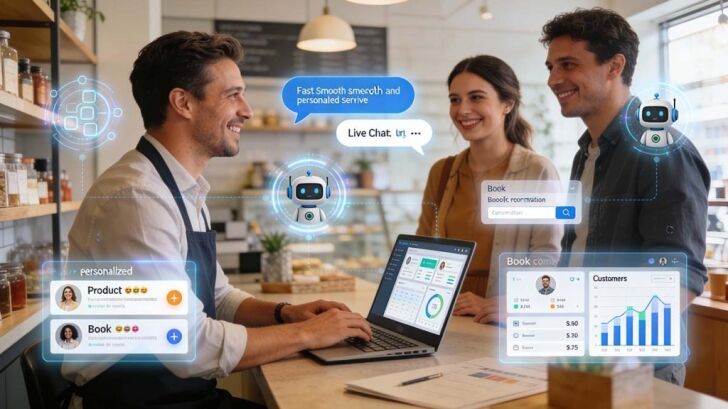
Keeping your customers happy is hard graft, especially with limited time and staff. AI can make customer interactions smoother, faster, and far more personal, letting you punch above your weight against bigger competitors. It can answer questions, fix problems instantly, and even anticipate what your regulars want next.
With smarter tools, even one-person shops now deliver customer service 24/7. AI means less waiting around for your customers, fewer lost sales, and a much better chance of turning first-time buyers into regulars. And with clever marketing that’s based on real data-not just guesswork-customers feel understood instead of spammed.
You don’t have to invest in a support centre. Many of these systems work right out the box with platforms like WordPress or Shopify. Long story short: AI lets you create memorable experiences that keep people coming back, no matter how small your business or how limited your staff.
Customer Service That Runs Around the Clock
- AI Chatbots Respond Instantly: Chatbots such as Chatfuel or Drift reply to customer questions immediately, any hour of the day, on your website or Facebook page. They cover everything from FAQs to appointment bookings.
- Manages Bookings and Queries: AI assistants handle booking systems and update customers about their orders or reservations, saving your team loads of back-and-forth messages.
- Affordable and Easy to Set Up: Many chatbots work with website builders like WordPress and Shopify. You often need no coding, just a plug-in and a few settings to get started.
- Saves on Extra Staff Costs: Instead of hiring more people for out-of-hours calls, AI does the job, helping small teams keep up without breaking the bank.
The result? Customers get help when they want it, not when you happen to be free-meaning they’re much more likely to come back or recommend you to others.
Personalisation That Wins Loyal Customers
- Product Recommendations: AI looks at what people browsed or bought and suggests other items they might like, just like the big retailers.
- Special Offers: Send unique discounts or birthday wishes at just the right moment to keep customers engaged and feeling valued.
- Customised Emails: Automatically follows up with quotes, reminders, or thank you notes, all based on customer actions.
- Real-Time Responses: Adjusts messages and offers based on changing customer behaviour, making your outreach timely and relevant.
Even with a small team, AI-driven personalisation can make customers feel seen and heard, helping your business stand out against larger rivals.
AI in Marketing and Content for Small Businesses

Marketing can eat up your time and wallet, especially if you’re making it up as you go. AI changes the game by allowing you to craft better adverts, test promotions quickly, and even write blog posts or emails at the press of a button.
Tools that used to need a roomful of experts are now simple enough for anyone to use. AI helps you see what works and what doesn’t, so every pound you spend has a better chance of coming back. Across advertising, emails, and even Google search, AI keeps your business visible, relevant, and attractive to new customers.
The best bit? These tools use real results, not marketing guesswork. Sleek ads and catchy posts aren’t just for the big national chains anymore-they’re for your shop, service, or café, right in your local area.
Smarter Marketing Campaigns with AI
- Automated Ad Testing: AI tools like Google’s Performance Max or Meta Ads Manager run many ad versions at the same time, automatically picking the winners. Your marketing money gets spent where it’s actually working, not wasted on guesswork.
- Smart Bidding and Budgeting: Google Ads uses AI-backed Smart Bidding to adjust bids by the minute, squeezing maximum value out of your daily budget. Ideal for small firms wanting PPC results but without the stress.
- Audience Insights and Targeting: Platforms like Mailchimp and Facebook analyse customer data, helping you find people most likely to buy or join your list. To provide these platforms with the right information, many businesses use web scraping to gather public data from industry directories and social media, ensuring their targeting is based on the most up-to-date market insights.
- Automated Reports and Suggestions: With AI, you don’t just see what happened last week-you get recommended changes, like when to send an email or which product to push next. This helps small businesses make changes quickly and beat local competitors to the punch.
Even if you’re new to it, many AI-powered marketing tools have built-in guides, so you can start small, test different messages, and adjust instantly based on real feedback.
Content Creation Made Easy with Generative AI
- Blog Writing: ChatGPT, Gemini, and Jasper can turn a few topic ideas into full blog posts. You get regular website content that draws in Google searches without staring at a blank page.
- Email and Newsletter Drafts: Whip up engaging newsletters or customer updates in minutes. Generative AI ensures you stay in touch with your audience, even on your busiest weeks.
- Social Media Posts: Plug in some rough ideas and get posts ready to go, hashtags and all. This keeps your profiles buzzing with minimal effort.
- Product Descriptions: Generate attractive new product write-ups for your online shop, with each one fitting your brand style. AI handles the basics, you do any final tweaks for that personal touch.
These tools won’t replace your voice, but they will help you keep up regular, on-brand content, especially if you’re a busy team of one.
Making Decisions Smarter with AI-Driven Analytics

If you’re tired of flying blind or gambling on what you think might work, AI-driven analytics brings much-needed clarity. These tools dig through huge stacks of business info, your sales data, and even reviews, pointing straight to what needs fixing or where the next opportunity sits.
This is more than just looking at sales-AI shows which campaigns truly brought customers, spots hidden problems before they grow, and predicts what’s likely coming up next.
Tools like Salesforce free CRM help small businesses organise customer data, track interactions, and uncover insights that support smarter decisions.
Suddenly, you’re making choices on facts, not hunches.
Whether you sell cupcakes or consultancy, AI-powered analytics are simple to use and put decision-making power firmly in your hands, not locked up with an expensive adviser or behind jargon-heavy dashboards.
Better Decision Making With Predictive Insights
- Sales and Demand Forecasting: AI tools like Zoho Analytics or Google Analytics’ predictive insights can spot seasonal patterns and future buying trends based on your data. This makes it easier to plan staff schedules and order supplies without overstocking.
- Risk Management: Algorithms flag upcoming cash shortfalls or risks before they become real trouble. UK businesses often use QuickBooks’ AI reports to predict late payments or dips in demand, giving early warning to act.
- Optimised Pricing: Pricing platforms that use AI suggest when to tweak prices up or down in response to competitor changes or customer habits. This means you rarely miss out on sales or leave money on the table.
- Customer Retention Analysis: AI finds patterns in which clients stick around and which drift off. Use this to improve loyalty schemes or offer personalised deals on the fly.
When picking an analytics solution, look for tools that connect easily to your POS or website and offer clear dashboards-not just data, but practical steps for action. Most SMEs find a good fit by starting with built-in Google or bookkeeping tools before branching out to more detailed platforms as they grow.
Breaking Down Barriers to AI Adoption

If you’re nervous about trying AI in your business, you’re not the only one. Plenty of small business owners worry it’s too pricey, too tricky, or just not meant for firms of their size. The truth is, lots of these fears are leftover myths from when AI did mean massive budgets and confusing software.
What you’ll find now is that most good AI tools are built for real-world people, not techies in suits. You can try many of them out quickly and with very little up-front cost or risk. Once you see a few wins (or even just more spare time), the idea of AI starts to look much less threatening and a lot more sensible.
This section will clear up the biggest myths and give down-to-earth steps for dipping your toes into AI, so you can move past feeling stuck and start getting those business gains for yourself.
Common AI Misconceptions in Small Business
- It’s Only for Big Companies: Modern AI tools are affordable for even microbusinesses in the UK. Most offer simple monthly subscriptions and don’t need an IT department.
- It Will Replace My Staff: In practice, AI helps teams focus on higher-value jobs and removes the need for endless admin, not people.
- AI Is Too Expensive: There are countless free or low-cost options these days, especially with cloud-based AI services and pay-as-you-go models.
- Too Complex to Set Up: Most leading AI tools run right inside apps you already use, like Google Workspace or online shop builders, with handy onboarding to walk you through setup.
Once you see how easy it is to get started, it’s clear that AI is more like having a junior assistant than trying to play catch-up with giant corporates.
Practical Steps to Start With AI Integration
- Pinpoint Your Bottlenecks: Look at what tasks eat up your time or regularly cause stress, whether it’s sorting emails, taking bookings, or doing invoices. These are the best candidates for a first AI tool trial.
- Trial a Simple AI Tool: Pick one easy-to-use, low-risk AI platform, like a chatbot for your website or automated invoice tracker. Most offer free plans or trials, so you can experiment before spending a penny.
- Set Clear Success Markers: Ask yourself-are you saving hours? Are mistakes or response times dropping? Keep it specific so you see real value, not just hype.
- Include Your Team: Let staff know you’re testing a tool to help, not replace, them. Give them a quick demo or a cheat sheet, and ask for feedback after a week or two. Buy-in comes from being part of the process, not left in the dark.
- Expand Gradually: If your first test goes well, try a second AI option where you see more gains. The idea is to swap out tasks, not overhaul everything at once or cause chaos during busy periods.
- Review and Adjust: Check every couple of months-are the tools still helping, or is something new needed? The goal is steady, sustainable improvement, not chasing every new trend out there.
Follow these steps and AI becomes just another useful part of your small business kit, rather than something to fear or put off for another year.
Niche AI Applications for Operational Efficiency

AI isn’t just about sales and marketing. Many small businesses are quietly saving hours and cutting costs with AI in unexpected corners of their operations. Think HR, stock management, or even beefing up their cybersecurity-areas where mistakes get expensive, but there’s usually no budget for a full team.
With the right tools, you can hire faster, cut down on paperwork, keep your customers’ data safer, and avoid running out of bestsellers at peak times. All without hiring a bunch of extra staff or learning to code. Even in highly traditional sectors, these smart helpers now fit into everyday apps and business processes with little fuss.
The next few sections will introduce you to how AI gets to work in specialist jobs. You’ll find ideas that might just solve one of those persistent headaches you figured only big companies could afford to fix.
AI in HR and Recruitment Processes
- Candidate Screening: AI sorts CVs, pulling the strongest matches to the top. It speeds up hiring, so you don’t lose great applicants to bigger companies while sifting through emails.
- Automated Interview Scheduling: Platforms like Calendly or Breezy HR send invites based on candidate availability, putting an end to endless “what time works for you?” messages.
- Bias Reduction: Smart algorithms focus on applicant skills and experience, helping your small firm hire fairly, even without a dedicated HR pro.
- Plug-and-Play Integration: Many AI hiring tools link into job boards and email with just a few settings, meaning recruitment gets faster, easier, and less prone to oversight. Some platforms also offer ATS integration, such as BambooHR integrations to sync candidate data, job postings, and hiring workflows with your core HR system.
Smart Inventory Management and Supply Chains
- Stock Level Prediction: AI looks at past sales and seasonality to predict what and when you’ll need to reorder-ideal for avoiding sold-out signs or overfilled storerooms.
- Automated Reordering: Popular platforms can auto-order bestsellers or essential stock from suppliers when levels run low, so you never get caught short.
- Waste Reduction: By matching order sizes more closely to demand, AI cuts down on expired goods or dead stock, which is great for margins and the environment.
- Easy Integration: Many tools sync smoothly with accounting packages or POS systems, making updates seamless for busy shop owners or hospitality managers.
Protecting Small Businesses with AI Cybersecurity
- Threat Detection: AI systems monitor for strange login attempts or file transfers, alerting you to risk before a break-in happens.
- Real-Time Alerts: Tools like CrowdStrike or Cisco Umbrella send instant notifications if suspicious behaviour crops up, so you can act before damage is done.
- Sensitive Data Protection: AI spots patterns that could mean data leaks, keeping customer details safer even if you don’t have a tech team on hand.
- Plug-and-Play Security Apps: Many security add-ons are designed for small businesses and can be activated inside your existing cloud platforms with little fuss.
Setting up basic AI-powered security needn’t be scary or pricey. For most small businesses, these steps help you sleep better at night, knowing that your digital doors and customer trust are better protected.